
News
A US Fan’s Travel GuideSpectators Guide To The Vuelta a España

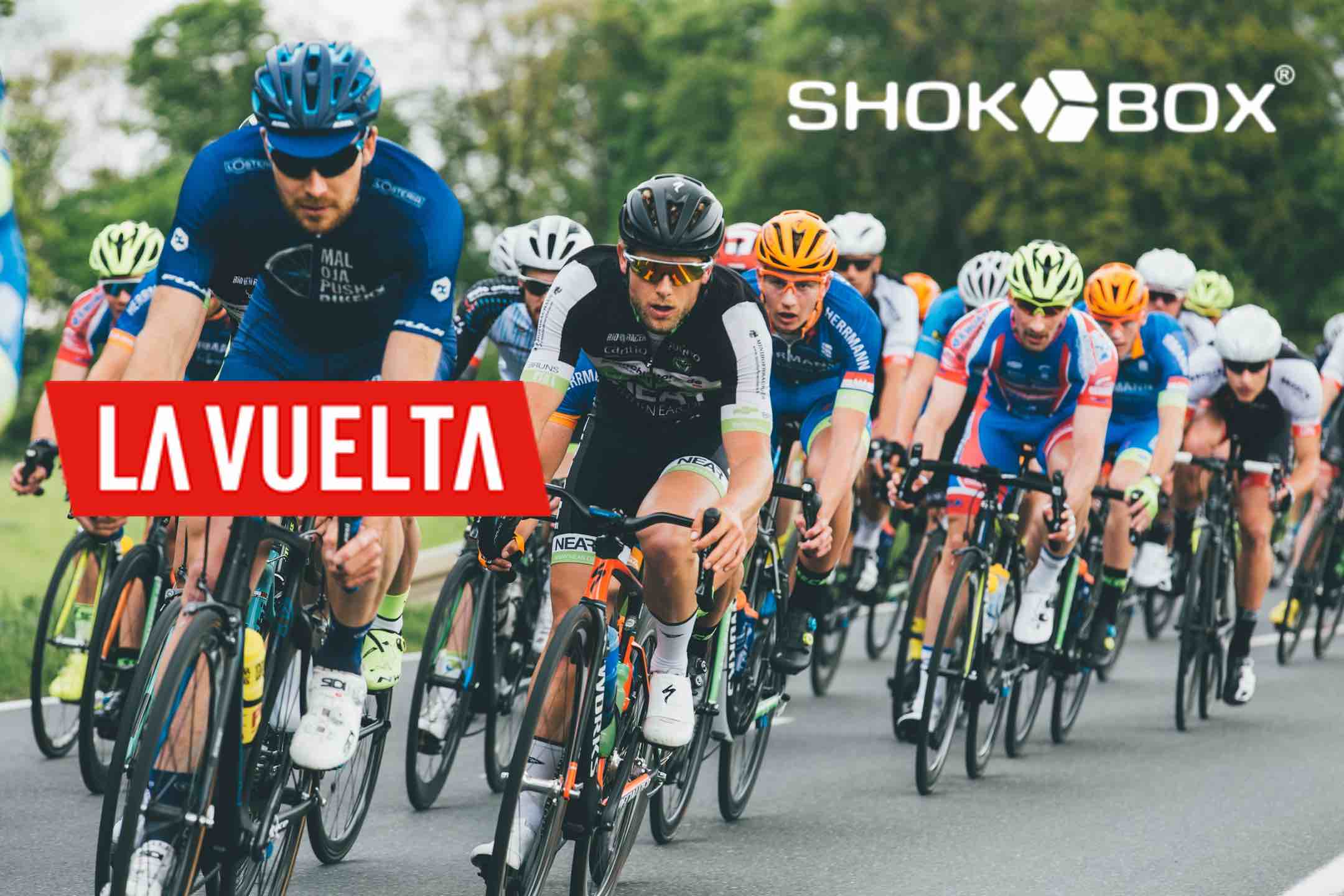
- The Vuelta a España, one of professional cycling’s prestigious Grand Tours, is a three-week spectacle of grueling climbs, tactical sprints, and breathtaking scenery. For cycling fans in the United States, the Vuelta offers the excitement of world-class racing and a unique opportunity to explore the diverse and captivating landscapes of Spain and Portugal.
- In 2024, the race starts in Lisbon, Portugal, on August 17 and culminates in Madrid, Spain, on September 8, covering 2,029 miles (3,265 km) over 21 stages. From Portugal’s picturesque coastal roads to Spain’s challenging mountain passes, the Vuelta is a journey like no other.
- Whether you’re a die-hard cycling enthusiast or someone who appreciates the thrill of sport combined with rich culture, the Vuelta a España is an experience you won’t want to miss. This guide is designed to help US-based fans plan the ultimate cycling trip, incorporating the best race-viewing locations, cultural experiences, and travel advice.
Planning Your Trip from the USA:
To make your Vuelta a España experience seamless, here are some essential planning tips tailored for travelers from the United States:
Flights
-
- Departure Cities: Major US international airports such as New York (JFK/EWR), Los Angeles (LAX), Chicago (ORD), Miami (MIA), and Washington D.C. (IAD) offer direct or one-stop flights to key Spanish airports. It’s worth noting some airlines offer direct flights to Lisbon.
- Arrival Airports: The best airports to aim for are:
- Lisbon (LIS): If you plan to catch the Portuguese stages, this is the most convenient airport.
- Madrid (MAD): The main airport for Central Spain, and useful if you want to be close to the end of the race.
- Barcelona (BCN): Another option if you’re planning to be close to the start in Portugal, travelling to the northern stages, or prefer to travel to another major city.
- Malaga (AGP): Good for access to the Southern Spanish stages.
- Bilbao (BIO): For the Northern Spanish and Basque Country stages.
- Flight Routes: Direct flights are available from select US cities, but many routes will include one stopover, usually in a major European hub.
- Flight Duration: Expect flights to take between 7-12 hours, depending on your departure city and the route. Consider booking overnight flights for convenience
- Cost Estimates: Round-trip flights to Spain from the US can range from $800 to $1800+, depending on the time of year, booking time, airline, and class. Booking in advance (3-6 months ahead) will usually yield the most cost-effective prices.
- Booking Tips: Check multiple airline websites and use flight comparison tools like Google Flights, Skyscanner, or Kayak to find the best deals. If possible, consider flexible dates.
Visas
US citizens traveling to Spain or Portugal for tourism can enter the Schengen Area without a visa for stays of up to 90 days within any 180-day days. Ensure your passport is valid for at least three months beyond your intended stay. Check the most up-to-date requirements from the US embassy and consulate websites.
Currency
-
- Spain and Portugal use the Euro (€). It is advisable to use a card where possible. Some smaller vendors may only take cash, and it is wise to carry some small-denomination euro notes.
- Check the latest exchange rates before you travel.
Event Details
Official Website
Month
August/September
Number Of Days
21 days
Country
Portugal/Spain
Entry Costs
Pro Riders/Teams Only
Currency
Euro: 1 = $0.96 (Check)
Visa Requirements
No
Carnets
What is a Carnet, The ATA Carnet, often referred to as the “Passport for goods”, is an international customs document that permits the tax-free and duty-free temporary export and import of nonperishable goods for up to one year
Hotel Cost
Range: $$ – $$$$
Food Cost
$$ – $$$$
Weather
- Average Temp (Jun): 25C (77F) to 35C (95F)
- Hours of Sunlight: 8 hours +
- Average Rain: limited
Flights
- Daily
- Cost: $$ – $$$$
Travel Advice
Useful Info
More Cycling Events
Mobile Phones & Connectivity
-
- Consider purchasing a local SIM card in Spain or Portugal to save on international roaming charges. Many mobile providers offer international day passes.
- Alternatively, you may need to contact your US mobile provider to arrange access to data whilst abroad.
- Many cafes, restaurants, and hotels offer free Wi-Fi, which may be an alternative way to stay connected.
Travel Insurance
-
- It’s crucial to have comprehensive travel insurance that covers medical emergencies, trip cancellations, and lost luggage.
- Consider adding specific sports/adventure insurance if you plan on hiking or cycling in addition to watching the race.
Understanding the Vuelta a España: A Three-Week Journey of Passion and Grit
Imagine this: you’re perched on a sun-drenched hillside, the Spanish air buzzing with anticipation. The crowd’s roar builds as a kaleidoscope of brightly colored jerseys surges into view – the Vuelta a España has arrived. This isn’t just a bike race; it’s a three-week odyssey through the heart of Spain and Portugal, a captivating blend of sporting prowess, stunning landscapes, and vibrant culture.
The Vuelta is one of cycling’s prestigious Grand Tours, alongside the Giro d’Italia and the Tour de France. However, it possesses a unique character all its own, a reputation forged in the unforgiving heat of the Spanish summer and the steep slopes of its majestic mountain passes. The 2024 edition, from August 17 to September 8, is no exception. Spanning 2,029 miles (3,265 km), the race will take us from the historic streets of Lisbon to the bustling boulevards of Madrid, showcasing 21 stages that are a true test of human endurance and strategy.
Climbers
This isn’t a race for the faint of heart; with just one flat stage, the route is a haven for climbers, a battleground where the strong and the resilient will prevail. Picture riders clawing their way up iconic ascents like the Lagos de Covadonga and Cuitu Negru, their determination etched on their faces as they push their bodies to the absolute limit.
The hilly stages, peppered with uphill finishes, add another layer of complexity, while individual time trials at the start and finish add further drama to the proceedings. The final week, with its multiple summit finishes, promises a thrilling showdown that will keep you on the edge of your seat, wherever you watch.
Cycling Fans
For cycling fans in the US, the Vuelta a España is more than just a race to follow from afar; it’s an invitation to immerse yourself in the passion and spectacle first-hand. Think of the opportunity to witness some of the world’s greatest cyclists in action and journey through the diverse landscapes of the Iberian Peninsula, each stage offering a unique cultural experience. The narrative is even more captivating this year, with American rider Sepp Kuss defending his title, making it an unforgettable experience for US fans.
Whether you choose to follow the peloton along its journey, moving between start and finish locations, or catch the action from a picturesque cafe, there are many ways to enjoy this grand spectacle. You can also follow the race from the comfort of your home, accessing live TV broadcasts and engaging with the race on social media and online platforms. However, to truly experience the Vuelta is to be there. As you plan your trip, consider what aspects of the race and regions appeal to you most. The Vuelta offers something for every kind of traveler, from those who simply want to watch world-class riders through to those who want an adventure-packed holiday.
Embarking on the Adventure: A Regional Journey
To help you plan the perfect Vuelta adventure, let’s begin our journey through Spain and Portugal. We’ll delve into each region of the race, uncovering the hidden gems, delicious cuisine, and local secrets that await. Let’s begin where the Vuelta begins: the vibrant coastal cities and rolling hills of Portugal.
Following the Vuelta: A Regional Journey – The Portuguese Prelude
Our Vuelta adventure begins not in Spain but in the captivating landscapes of Portugal. The 2024 race kicks off in the historic city of Lisbon, setting the stage for three days of cycling amidst a backdrop of beautiful coastlines and charming villages. This is not just the start of a Grand Tour; it’s an introduction to a land that will leave you enchanted, even if you have no interest in cycling.
Lisbon and the Coast: A Tapestry of Culture and Coastline
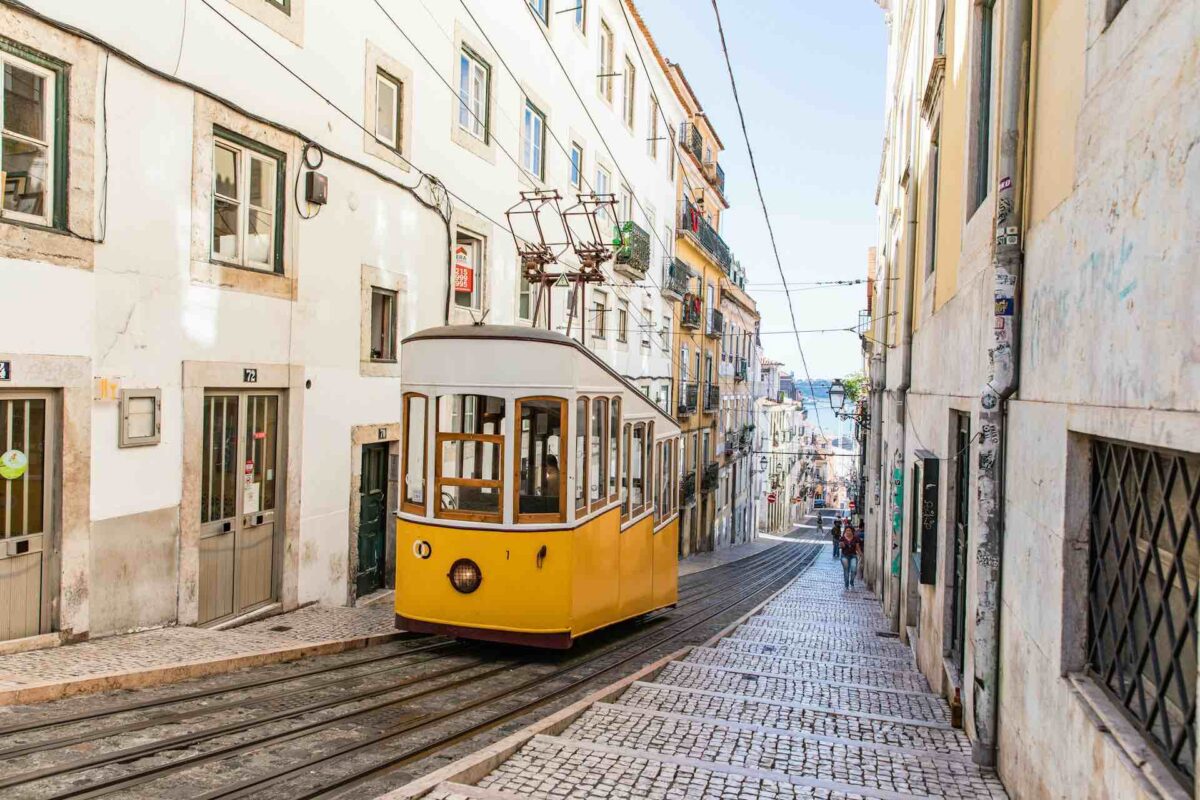
Imagine yourself arriving in Lisbon, the Portuguese capital, where the modern and the ancient dance together in perfect harmony. Cobblestone streets wind their way through colorful neighborhoods, leading to historic squares, and viewpoints that offer breathtaking panoramic views. This is where the Vuelta begins, with an individual time trial that will see the riders race against the clock through the city streets, weaving around historic landmarks.

Before or after the race, lose yourself in the city. Take a ride on the iconic yellow trams, explore the historic Alfama district, savor a world-famous pastel de nata in a traditional bakery, or explore the Belém Tower and Jerónimos Monastery, the heart of Portugal’s maritime past. You can take in the rich tapestry of history, culture, and food as you wander.
Just outside Lisbon, the charming coastal town of Oeiras offers a taste of the Portuguese coastline. Known for its fresh seafood, Oeiras invites you to indulge in dishes like arroz de pato (duck rice) or caldeirada de peixe (fish stew). Here, you can combine your race-viewing with walks along the promenade and a taste of the slower-paced coastal life.
Further along the coast, the resort town of Cascais is a popular spot, attracting those looking for sun, sea, and a touch of glamour. Enjoying an ice cream on the beach, dining at a luxurious restaurant, or just relaxing in the sunshine, there’s a variety of options here to compliment your race-viewing.
Looking to train where the professional cycling teams train? Read our guide why American Cyclist Should Look at Calpe Spain.
Inland Adventures: The Hills of Central Portugal
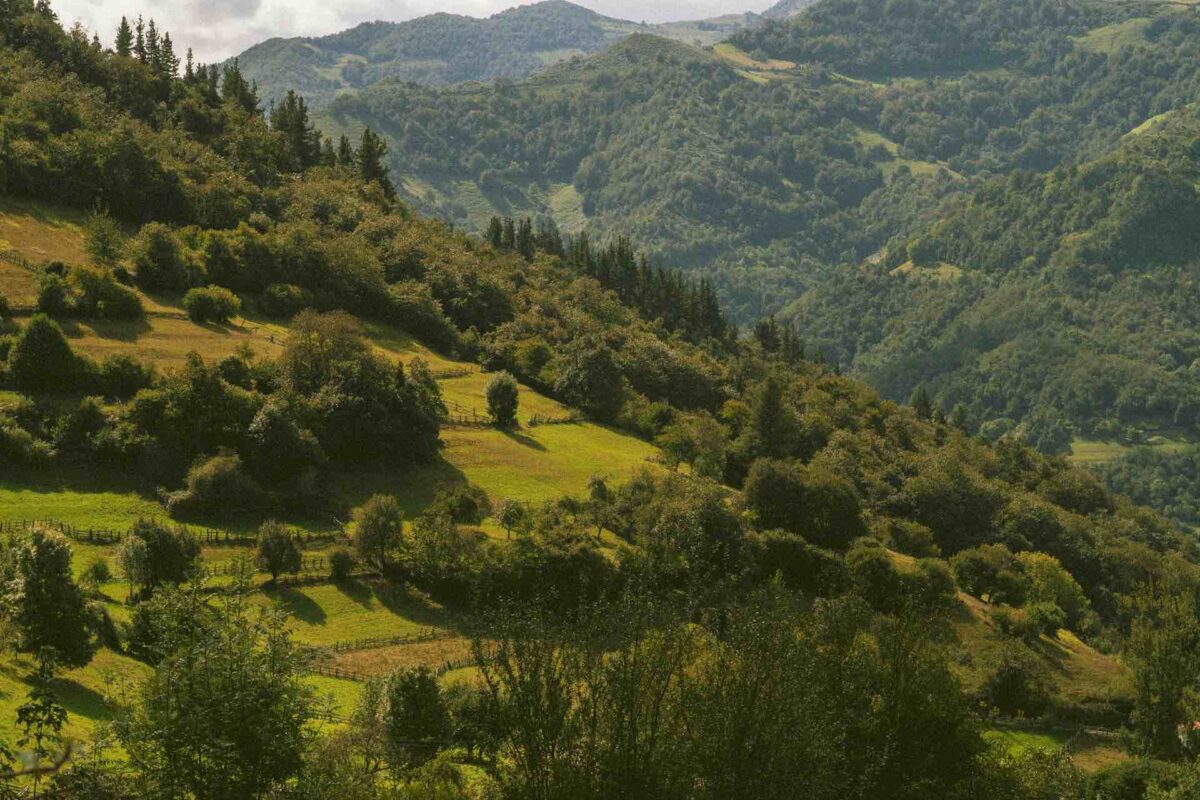
As the Vuelta leaves the coast and heads inland, it journeys through the hills of Central Portugal. The stages wind their way through picturesque towns, such as the town of Lousã. This area is known for its mountains, and you can taste its local cuisine, which features dishes made with local, seasonal ingredients. Here you can experience the more traditional side of Portugal, away from the hustle and bustle of the main cities.
The town of Castelo Branco is another location that provides some respite after the coast. With its range of hotels and more local food, you can get a real feel for Portugal and the local Portuguese culture.
Making the Most of the Portuguese Stages:
- Travel: Lisbon Portela Airport (LIS) is the main international gateway for these stages. You can travel between the different locations using rental cars, trains, or buses. Portugal is a relatively compact country, making travel between the race stages more manageable.
- Accommodation: Portugal offers a range of accommodation options, from budget-friendly to luxurious. In Lisbon, you will find everything, from hostels to grand hotels, and on the coast, you will find beachfront properties and local boutique hotels. In the more rural areas, you will be able to find more traditional hotels and guest houses. Remember to book early due to increased demand.
- Food & Drink: Don’t leave Portugal without trying the local specialities, such as pastel de nata, bacalhau (cod), and francesinha (a hearty sandwich). As you venture away from the main cities, you will find the local food starts to vary considerably and is often based on local seasonal produce.
- Beyond the Race: Spend some time exploring the historical sights, relaxing on the beaches, or exploring the local markets. Portugal also has great wine regions which offer wine tasting and tours for those interested.
As the Vuelta bids farewell to Portugal, it’s important to take in what you have witnessed. From Lisbon’s historic streets to the coast’s charm and the rolling hills of central Portugal, you’ve explored a part of the world that will leave you wanting more.
Following the Vuelta: A Regional Journey – Southern Spain’s Sun-Soaked Stages
As the Vuelta bids farewell to Portugal, it enters the sun-drenched landscapes of Southern Spain. This is a land of contrasts, where white-washed villages cling to hillsides, Moorish palaces tell tales of a bygone era, and the beaches beckon with the promise of golden sands and clear blue waters. The race weaves through this diverse tapestry, offering an unparalleled opportunity to combine the excitement of cycling with Andalusia’s rich culture and beauty.
Coastal Charm and Moorish History:
The southern stages of the Vuelta are the closest the race gets to the beaches, making it the ideal area for those who want to combine race-viewing with a more traditional summer holiday. The town of Motril, is a good example of how to combine this, it has beaches and a rich history, but is also a town in the heart of the region. You can enjoy the fresh seafood, taste paella, and relax along the beach. This town provides a great opportunity for those looking for a combination of race-viewing and holiday fun.
Venture inland, and you will find Úbeda, a city showcasing the Spanish Renaissance’s grandeur. This place is a UNESCO World Heritage site, and its architecture contrasts with the natural beauty of the surroundings. In Úbeda, you can also enjoy local food based on traditional Andalusian cuisine, showcasing local olive oil, fresh vegetables, and spices. Dishes such as pipirrana and gachamiga provide a tasty introduction to the local culture.
Further inland, you’ll come across Cazorla, a town at the gateway to the Cazorla, Segura y Las Villas Natural Park. Here, the race moves into the mountains, and you will find a more traditional, slower pace of life. This is a great area for hiking, bird watching, exploring the local countryside, and enjoying the race. The local food in Cazorla is based on local seasonal produce, featuring dishes such as Migas de pastor (shepherd’s crumbs) and Andrajos, all showcasing the regionalspecialities.
Making the Most of the Southern Spain Stages:
- Travel: Malaga Airport (AGP) is the main international airport for this region, with good flight connections from many US cities. Rental cars are a good option for exploring this region, allowing you to travel between the race locations easily. Spain has good public transport options, such as buses and trains, but some areas may be more challenging to reach
- Accommodation: Southern Spain offers various options from beachfront hotels in towns such as Motril, to boutique hotels and apartments in places like Úbeda, and rural hotels in the mountains such as Cazorla. Book early due to the popularity of this region.
- Food & Drink: From the fresh seafood on the coast to the traditional dishes in the mountains, this area is a culinary delight. Don’t miss out on tapas, fresh olives, local olive oil, and regional wines.
- Beyond the Race: Explore the Alhambra in Granada, walk along the beaches, hike in the mountains, or enjoy a flamenco show. Each town has its unique character, inviting you to dive into local culture and discover the stories of this region.
As the Vuelta moves through Southern Spain, you’ll be captivated by the beauty and culture of this unique part of the world. The mix of beaches, history, mountains and culture ensures there is something for everyone to enjoy.
Following the Vuelta: A Regional Journey – Northern Spain’s Rugged Beauty
The Vuelta now leads us to Northern Spain, a region where dramatic coastlines meet verdant hills and mountains, creating a landscape of captivating contrasts. This part of the race is renowned for its challenging climbs, unpredictable weather, stunning natural beauty, and unique cultural heritage. Prepare to be immersed in a world where cycling passion combines with breathtaking views, historic towns, and delicious local cuisine.
A Tapestry of Towns and Terrains:
As the Vuelta makes its way into Northern Spain, it’s worth thinking about the towns and locations that offer the best views of the race and the best experience of Northern Spain.
The city of Ourense serves as a great central location. It’s roughly in the middle of the route for many of the northern stages, giving good access to cycling. With its historic sites and natural hot springs, it’s a city where you can spend some time and relax when you are not watching the race.
Further west, you may want to consider the towns of Pontevedra or Vigo. These are larger towns and offer more accommodation options and a variety of restaurants. Whilst not as central as Ourense, both towns provide good travel options to different race stages.
The historic city of Lugo may be a better option for the more mountainous stages. This city is close to several mountainous stages and offers a charming atmosphere. It is a good location if you are looking for a combination of culture and access to the mountainous parts of the race.
If you prefer to be immersed in nature, Villafranca del Bierzo could be an option. Situated in a valley surrounded by mountains, you would be right at the heart of the race as it moves through the mountains of Northern Spain.
Making the Most of the Northern Spain Stages:
- Travel: Bilbao Airport (BIO) is a good international airport to aim for if you plan to explore the northern stages. As with southern Spain, a rental car is a great option for exploring the region at your own pace, though the public transport network is also good. Internal flights are a good option if you want to travel long distances between different areas of the race.
- Accommodation: Northern Spain offers diverse accommodations, from sizeable modern city hotels in towns like Vigo to traditional guesthouses in towns such as Villafranca del Bierzo.
- Food & Drink: Northern Spain is a culinary delight known for its fresh seafood, hearty stews, and local wines. As you explore the region, you will be able to try the delicious local Galician cuisine.
- Beyond the Race: Northern Spain is ideal for hiking, surfing, and exploring the rugged coastlines. You will find many places to sample local wine or take in the amazing views as you explore this area’s offerings.
As the Vuelta travels through Northern Spain, you will be captivated by the area’s natural beauty and unique cultural heritage. The combination of culture, landscape, and food makes this an area that should not be missed.
Following the Vuelta: A Regional Journey – Asturias and Cantabria: Where Mountains Meet the Sea
The Vuelta now takes us through the captivating regions of Asturias and Cantabria, a land where the rugged peaks of the Picos de Europa mountains plunge dramatically into the sparkling waters of the Cantabrian Sea. This part of Spain offers some of the most breathtaking scenery of the whole race. Here, the cycling climbs are some of the most challenging, but the rewards are equally high, combining the excitement of the race with the beauty and serenity of the surrounding nature.
Peaks and Coastlines: A Blend of Adventure and Relaxation
As the Vuelta delves into Asturias and Cantabria, the towns and villages offer a range of options, depending on your preference for mountains or beaches, or a mixture of both.
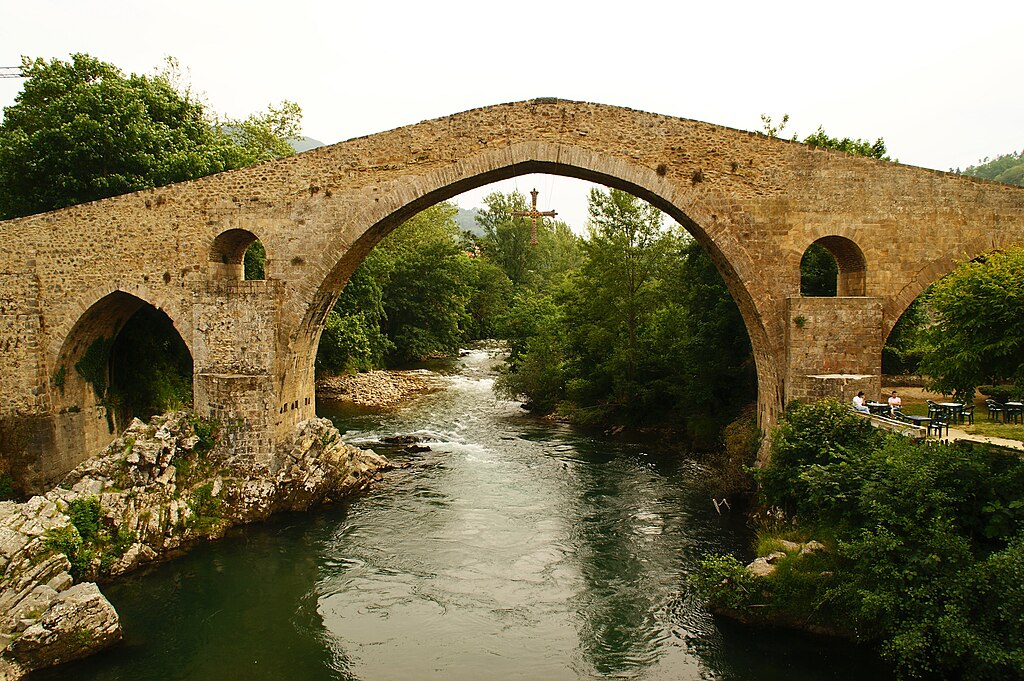
Cangas de Onís is a small town situated at the entrance of the Picos de Europa National Park. It is an ideal base for exploring the mountains and is also near the iconic climb of Lagos de Covadonga. You can combine race viewing with hiking in the mountains and exploring the beautiful countryside.
Further into the Picos de Europa National Park, you will find Arenas de Cabrales, a village famous for its cheese and itslocation deep in the mountains. This is an ideal place if you want a true mountain experience, immersed in the natural beauty of the area. It is also ideal for those looking for an immersive experience in the mountains away from the more touristy areas.
If you prefer the coast, the city of Santander is a great option. This city provides a fantastic view of the Cantabrian Sea and has a bustling cultural scene. From exploring the historic centre to eating fresh seafood in one of its many restaurants, it has something for everyone who wishes to explore the city.
A short distance from the city is the town of Haro, which is located within the La Rioja wine region. Known for its wine cellars, Haro offers a chance to unwind and relax after the rigors of the race. This is a good location to experience both the mountains and the coast if you want to get a taste of both
Making the Most of the Asturias and Cantabria Stages:
- Travel: The closest international airport is Bilbao (BIO), or you can use Santander airport (SDR) to enter the region. As before, a rental car is a great way to explore this area, or you can use the national transport network if you prefer to use trains or buses.
- Accommodation: The area offers a mix of hotels, from large hotels in Santander to more traditional options in Cangas de Onís and Arenas de Cabrales.
- Food & Drink: The local cuisine in Asturias and Cantabria is based on hearty traditional dishes. From fresh seafood on the coast to the locally produced Cabrales cheese, the food reflects the diversity of this region.
- Beyond the Race: Explore the stunning Picos de Europa National Park, hike the coastal trails, relax on one of the beaches, or simply enjoy the hospitality of the local people. This area offers a great combination of activity and relaxation.
As the Vuelta makes its way through Asturias and Cantabria, you will find yourself surrounded by dramatic mountains, stunning coastlines and a unique cultural heritage. This section of the race provides a range of options, depending on your preference of mountains, beaches, or a mixture of both.
Basque Country and La Rioja: Culture, Cuisine, and Cycling Passion
As the Vuelta moves into the Basque Country and La Rioja, we enter a land of unique traditions, world-class gastronomy, and a deep-rooted love for cycling. This part of Spain offers a compelling blend of urban sophistication, rolling vineyards, and stunning landscapes. The race here provides a great opportunity to experience a different side of Spain, where culture and cuisine are as important as the thrill of the race.
Urban Delights and Wine Country Charms:
The Basque Country and La Rioja stages take us through areas known for their distinctive character and beauty.
Vitoria-Gasteiz, the capital of the Basque Country, is a great location to enjoy what this region has to offer. With a beautiful medieval old town, lively atmosphere, and incredible Basque tapas (pintxos), this is a city to explore. It is ideal for people who enjoy strolling around historic towns and soaking in the atmosphere.
As the race moves into La Rioja, the city of Logroño awaits. This city is La Rioja’s capital, famous for its wine production. Here, you can explore the historic centre, enjoy the local tapas and bars, and take tours and tastings at some of the many wineries. If you have an interest in the wine-making process or are just looking to unwind after a day watching the race, this is an ideal location.
Making the Most of the Basque Country and La Rioja Stages
- Travel: Bilbao Airport (BIO) remains a good option for international arrivals to this region, although you could also consider using Madrid Airport (MAD) if you are traveling from the south. The region has an excellent public transport network, and rental cars remain a great way to explore it and reach the locations in and around the race.
- Accommodation: The Basque Country and La Rioja offer a range of hotels, from grand city hotels in Vitoria-Gasteiz to smaller, more boutique hotels in towns such as Logroño. You will also find more rural options in some of the smaller towns and villages.
- Food & Drink: The Basque Country is renowned for its pintxos (small tapas), which are a work of art and a culinary delight. La Rioja’s food is centred around local produce and the region’s world-famous wines. Be sure to take some time to experience the local cuisine and hospitality.
- Beyond the Race: Visit the Guggenheim Museum in Bilbao, tour the vineyards of La Rioja, or simply enjoy the lively atmosphere of the local bars and restaurants. This is an area where you can truly immerse yourself in the culture and way of life.
The Basque Country and La Rioja stages combine the passion of the Vuelta with the rich culture and traditions of this unique corner of Spain. From the bustle of the cities to the serenity of the vineyards, this region offers something for everyone.
Central Spain and the Grand Finale in Madrid
As the Vuelta reaches its final stages, it heads to Central Spain, culminating in the grand finale in the heart of Madrid. This section of the race combines challenging mountain terrain with the energy and excitement of Spain’s capital city. Here, you can experience the raw passion of cycling before immersing yourself in the history and culture of Madrid.
The Mountains and the Metropolis:
As we approach Madrid, the stages showcase a mix of demanding climbs and the final time trial, which concludes the race.
The mountain stage around Villarcayo and Picón Blanco truly tests the riders’ abilities, showcasing some of the most challenging climbs of the whole race. Accommodation is limited, so you would need to book early or travel from a nearby city.
The race then heads towards Madrid, the capital of Spain, where you can experience the last stage and the energy and passion of the final time trial. Madrid is a world-class city with history, culture, food, entertainment, and more. It is the culmination of the race and also a great place to explore after the race has finished.
Making the Most of the Central Spain Stages:
- Travel: Madrid-Barajas Airport (MAD) is the main international gateway for this region, with direct connections to many cities in the US. The city has excellent public transport and options for car hire or travel to other parts of Spain.
- Accommodation: Madrid offers a wide range of accommodation options, from budget-friendly hostels to luxurious hotels and thousands of apartments available on booking sites. It is a popular city, so it is advisable to bookaccommodation as early as possible to avoid disappointment.
- Food & Drink: Madrid’s culinary scene is a fusion of traditional Spanish cuisine and modern gastronomy. From tapas bars to Michelin-starred restaurants, the city has a wealth of choices. Be sure to try the local cocidomadrileño (chickpea stew) and other traditional dishes.
- Beyond the Race: Explore the Royal Palace, visit the Prado Museum, stroll through Retiro Park, and soak up the vibrant atmosphere of the city. Madrid is a city where history and culture are fused with the modern, and you will find plenty to explore when you are not watching the race.
As the Vuelta ends in Madrid, you will find yourself surrounded by the grandeur of one of the world’s great cities. The combination of world-class cycling, culture and food ensures that your Vuelta adventure ends on a high.
Practicalities: Planning Your Vuelta Adventure
Now that you have a good overview of the regions and the race, let’s focus on some essential practicalities to ensure your Vuelta a España experience is smooth and enjoyable:
Accommodation: Finding Your Home Away from Home
Across Spain and Portugal, you will find various accommodation options to suit different tastes and budgets. Remember to book in advance, as prices tend to increase closer to the date, and popular places get booked up early.
- Hotels: From budget-friendly options to luxurious five-star properties, hotels are widely available in all cities and towns along the Vuelta route.
- Boutique Hotels: These smaller, often stylish hotels offer a unique experience, usually focusing on local character.
- Rural Hotels (Casas Rurales): These are a great way to experience the more traditional side of the countryside. They usually offer locally sourced food and great hospitality.
- Paradores: These are often historic properties located in historic locations. They are a great way to experience Spain’s cultural heritage.
- Apartments and vacation Rentals are ideal for longer stays and groups. They often have kitchens and other facilities that offer extra space and comfort.
Transportation: Getting Around Spain and Portugal
Getting around Spain and Portugal is relatively easy, with a range of options available:
- Rental Cars: A great option if you want to explore the regions at your own pace and travel between locations with greater flexibility. Remember to be aware of local driving rules.
- High-Speed Trains (AVE): Spain’s high-speed train network (AVE) connects major cities, making long-distance travel faster and more efficient.
- Regional Trains & Buses: These options are good for getting to smaller towns and more rural areas. They are also a more cost-effective way of travelling.
- Internal Flights: You may choose to fly between destinations to save on travel time, especially if you cover a large section of the race.
- Public Transportation: Within cities, you can use trams, buses, and metros to explore your chosen location.
Food and Drink: A Culinary Journey
The Vuelta offers the opportunity to sample some of the world’s greatest cuisine. Each area of Spain and Portugal has its own unique dishes and local specialities, and you will find a wealth of places to enjoy the local hospitality.
- Regional Dishes: From paella in Southern Spain to pintxos in the Basque Country, be sure to sample the local dishes. You will find all sorts of local cuisine wherever you are in Spain.
- Fresh Seafood: With such a large coastline, fresh seafood is a major part of the Spanish and Portuguese diet. Be sure to sample the local fresh fish dishes.
- Tapas Culture: Take time to experience the local bars and tapas culture, which is a huge part of the Spanish way of life.
- Local Wine: Spain and Portugal have some of the best wine regions in the world. Visit one of the many wineries and sample the local wines.
Your Vuelta Adventure Awaits
As our journey through the Vuelta a España ends, we hope you’re feeling inspired and ready to embark on your owncycling adventure. This is more than just a race; it’s a chance to experience Spain and Portugal’s vibrant culture, stunning landscapes, and warm hospitality. From the historic streets of Lisbon to the majestic mountains of the Picos de Europa and the bustling boulevards of Madrid, the Vuelta offers a unique experience that will create memories that will last a lifetime.
Whether you’re a die-hard cycling fan or simply appreciate travel and culture, the Vuelta a España has something for everyone. The race itself is a spectacle of sporting prowess and tactical racing, set against a backdrop of some of the world’s most beautiful and diverse scenery. It’s a chance to combine the passion of sport, with the joy of exploration, creating a memorable and exciting journey.
As you plan your trip, remember to book early, allow enough time for travel and exploration, and embrace the local culture. Take time to savor the local food, enjoy the local wines, and create memories that will last for years to come. The Vuelta a España is a journey that you won’t forget, a chance to create a lifetime of memories that will have you wanting to return again and again.
Useful Resources:
To help you plan your trip, here are some useful resources:
- Official Vuelta a España Website:
- https://www.lavuelta.es/en – The official website for the race, with up-to-date stage information, race news, and rider details.
- Tourism Boards:
- Visit Portugal: https://www.visitportugal.com/en – Official website for tourism information for Portugal.
- Spain Tourism: https://www.spain.info/en/ – Official website for tourism information for Spain.
- Transportation:
- Renfe (Spanish Trains): https://www.renfe.com/ – The official website for Spanish rail travel.
- Comboios de Portugal (Portuguese Trains): https://www.cp.pt/passageiros/en – The official website for Portuguese rail travel.
- Flight Booking Tools:
- Google Flights: https://www.google.com/flights – A great way to compare airline prices.
- Skyscanner: https://www.skyscanner.com – A useful comparison site for getting the best flight prices.
- Kayak: https://www.kayak.com – Another great flight comparison site to find the most suitable flights for you.
- Accommodation Booking Sites:
- Booking.com: https://www.booking.com/ – A great way to find a range of hotels and apartments
- Airbnb: https://www.airbnb.com/ – Great for finding apartments and holiday rentals.
We hope this guide has given you the information you need to plan your trip to the Vuelta a España. Now, it’s time to start your adventure and experience the passion, culture and thrill of the race.