
News
A Spectators Guide To The Giro d’Italia (The Tour Of Italy)


The Giro d’Italia, often called the Giro, is an annual multiple-stage bicycle race primarily held in Italy, with occasional stages in neighbouring countries. Established in 1909 by the newspaper La Gazzetta dello Sport, the Giro was created to boost the paper’s sales and has since evolved into one of the most prestigious cycling events globally, second only to the Tour de France.
Race Format and structure
The Giro typically consists of 21 stages over a period of 23 to 24 days, including two or three rest days. The race usually takes place in May, sometimes extending into early June. Each edition features a mix of flat, hilly, and mountainous stages, with a total distance that often exceeds 3,000 kilometres.
The race includes time trials and traverses the challenging terrains of the Alps and Dolomites, testing the riders’ endurance and skill. The leader of the general classification wears the pink jersey (Maglia rosa), awarded to the rider with the lowest cumulative time. Additional classifications within the Giro include the points classification, mountains classification, young rider classification, and team classification.
Historical Significance
The Giro has a rich history, having been held annually since its inception, except during the two World Wars. The first race covered 2,448 kilometres across eight stages, with subsequent editions becoming more gruelling.
Notably, the 1914 Giro is often cited as one of the toughest, with stages exceeding 400 kilometres, resulting in only eight finishers. The race has also seen significant milestones, including the participation of Alfonsina Strada in 1924, who became the first and only woman to race in the Giro, albeit while disguising her gender.
Modern Era
In recent years, the Giro has maintained its reputation for being more unpredictable and challenging than other Grand Tours, often featuring extreme weather conditions and demanding climbs. The race’s chaotic nature, reflecting the diverse regions of Italy it traverses, makes it a thrilling experience for cycling purists.
Jerseys and Classifications
- Maglia Rosa (Pink Jersey): Awarded to the leader of the General Classification (the rider with the lowest overall time across all stages).
- Maglia Ciclamino (Cyclamen Jersey): Given to the points classification leader, usually won by sprinters.
- Maglia Azzurra (Blue Jersey): For the King of the Mountains, awarded to the best climber.
- Maglia Bianca (White Jersey): For the best young rider (under 25) in the General Classification.
Watching The Race
As the route start and finish points differ from year to year it is not always easy to plan to watch the Giro d’Italia. The official route is usually announced in October for the coming year and thats when the surge for hotel rooms start.
As the race is over 20 days and covering so many regions we find it better to pick a different location in Italy each time we go to the race. We consider it a holiday where we can see the Giro d’Italia rather than specially visit just to watch the race. It can be overwhelming as the 2024 start and end point are nearly 700km apart and it would be a long days travel.
Event Details
Official Website
Month
May
Number Of Days
23/24 days
Country
Italy
Entry Costs
Pro Riders/Teams Only
Currency
Euro: 1 = $0.96 (Check)
Visa Requirements
No
Hotel Cost
Range: $$ – $$$$
Food Cost
$$ – $$$$
Weather
- Average Temp : 15C (59F) to 20C (68F)
- Hours of Sunlight: 11 hours
- Average Rain: 30%
Flights
- Daily
- Cost: $$ – $$$
Travel Advice
Useful Info
More Cycling Events
Mountains Hills or Flat
Decide if you want the stunning mountain views or would you prefer a more cosmopolitan city break with more luxuries on your doorstep. From experience the mountain sections have more atmosphere as the fans go wild when the riders pass. If you’re looking for more amenities then the city stages are for you.
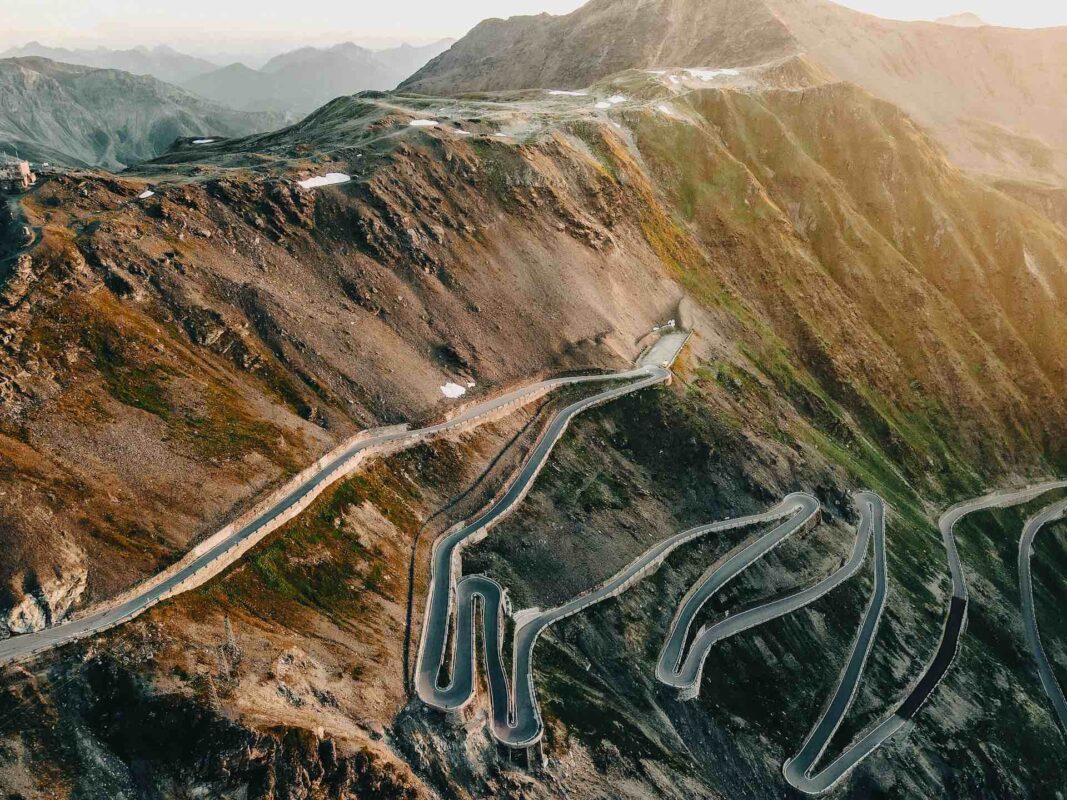
If it’s your first time then you have to visit the Stelvio pass, the highest paved mountain pass in the Eastern Alps, the Stelvio Pass features numerous switchbacks and offers panoramic views of the surrounding peaks. It is a favorite among cyclists and has been included in the Giro multiple times, making it a must-see for fans of the race. It is simple breathtaking (and yes it can be a lot colder up there)
Giro d’Italia, who is it for
Cycling Enthusiasts: Fans of professional cycling love the Giro for its high-stakes competition, tactics, and impressive endurance challenges. It’s a chance to watch some of the world’s best cyclists battle it out on varied terrain.
Sports Lovers: Even if you’re not a cycling specialist, the Giro d’Italia offers plenty of general excitement. The close finishes, unpredictable weather, and stunning displays of athleticism make for thrilling viewing.
Travel and Scenery Enthusiasts: The race is also known for its scenic routes through Italy’s beautiful landscapes—mountain passes, coastal roads, countryside, and historic cities. If you love Italy or enjoy seeing stunning European scenery, the visual experience of the Giro can be captivating.
Strategic Viewing Points
- Feed Zones: These areas allow spectators to see riders at a slower pace and observe team dynamics.
- Hairpin Turns: On mountain stages, hairpin bends offer extended viewing times as riders navigate tight corners
Tips for Spectators
- Arrive Early: Secure prime viewing spots, especially on popular mountain stages, by arriving hours before the riders.
- Choose Wisely: For mountain stages, consider spots 800-1000 meters from the finish line to see riders battling it out.
- Embrace Local Culture: Many stages pass through picturesque towns, offering a chance to experience Italian culture alongside the race.
Love Italian Cuisine, Then Watch The Race From Your Favorite Region
You could pick your destination by your food preferences, Italy is know for its outstanding food and each of the 20 regions has something different to offer. Below are some of our favorite places that we have visited over the years.
1. Emilia-Romagna
- Capital: Bologna
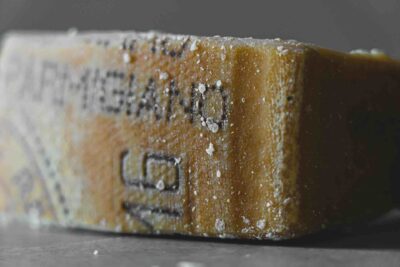
- Famous Foods: Parmigiano Reggiano, tortellini, Bolognese sauce, balsamic vinegar of Modena.
- Highlights: Often considered the food capital of Italy, Emilia-Romagna is celebrated for its rich meats and egg-based pasta. The region is also known for its high-quality cured meats like prosciutto di Parma.
2. Campania
- Capital: Naples
- Famous Foods: Pizza Napoletana, buffalo mozzarella, limoncello.
- Highlights: Home to the world’s first pizzeria, Campania is famous for its pizza and fresh produce, including San Marzano tomatoes and lemons from the Amalfi Coast.
3. Tuscany
- Capital: Florence
- Famous Foods: Steak alla Fiorentina, pecorino cheese, Chianti wine.
- Highlights: Known for its rustic cuisine, Tuscany emphasizes high-quality olive oil and hearty dishes that reflect its agricultural heritage.
4. Lazio
- Capital: Rome
- Famous Foods: Spaghetti alla carbonara, bucatini all’amatriciana, artichokes alla Romana.
- Highlights: Lazio’s cuisine features a variety of pasta dishes and fresh vegetables, particularly artichokes and zucchini.
5. Lombardy
- Capital: Milan
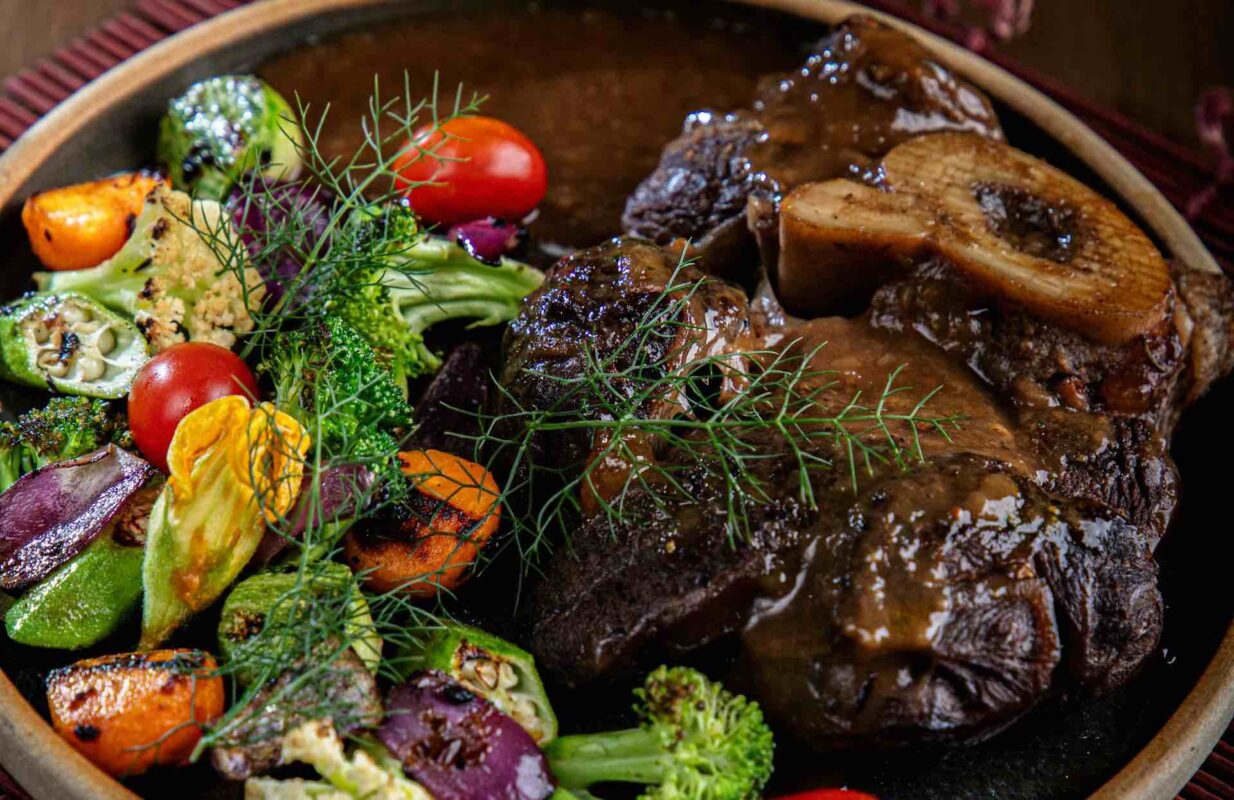
- Famous Foods: Risotto alla Milanese, osso buco.
- Highlights: This northern region is known for its rice dishes and rich cheeses like Gorgonzola and Grana Padano.
6. Sicily
- Capital: Palermo
- Famous Foods: Caponata, arancini (stuffed rice balls), cannoli.
- Highlights: Sicily’s cuisine is influenced by its history and geography, featuring a mix of Mediterranean flavors with an emphasis on fresh seafood and citrus fruits.
7. Liguria
- Capital: Genoa
- Famous Foods: Pesto alla Genovese, focaccia.
- Highlights: Known for its coastal cuisine, Liguria offers fresh seafood and vibrant herbs, particularly in its famous pesto sauce.
8. Puglia (Apulia)
- Capital: Bari
- Famous Foods: Orecchiette pasta, burrata cheese.
- Highlights: Puglia’s cuisine emphasizes fresh vegetables and seafood due to its coastal location and fertile land.
Getting There
1. Flying to Italy (Milan) From USA
- Miami, starting at $700 + with one stop, travel time is 14 hours +.
- Atlanta, direct flights from $900 with just under 10 hour flight time. 1 stop flights start from £700.
- Dallas, 1 stop flights start around $900 and travel time is around 14+ hours.
2. Trains
- Benefits of Train Travel in Italy:
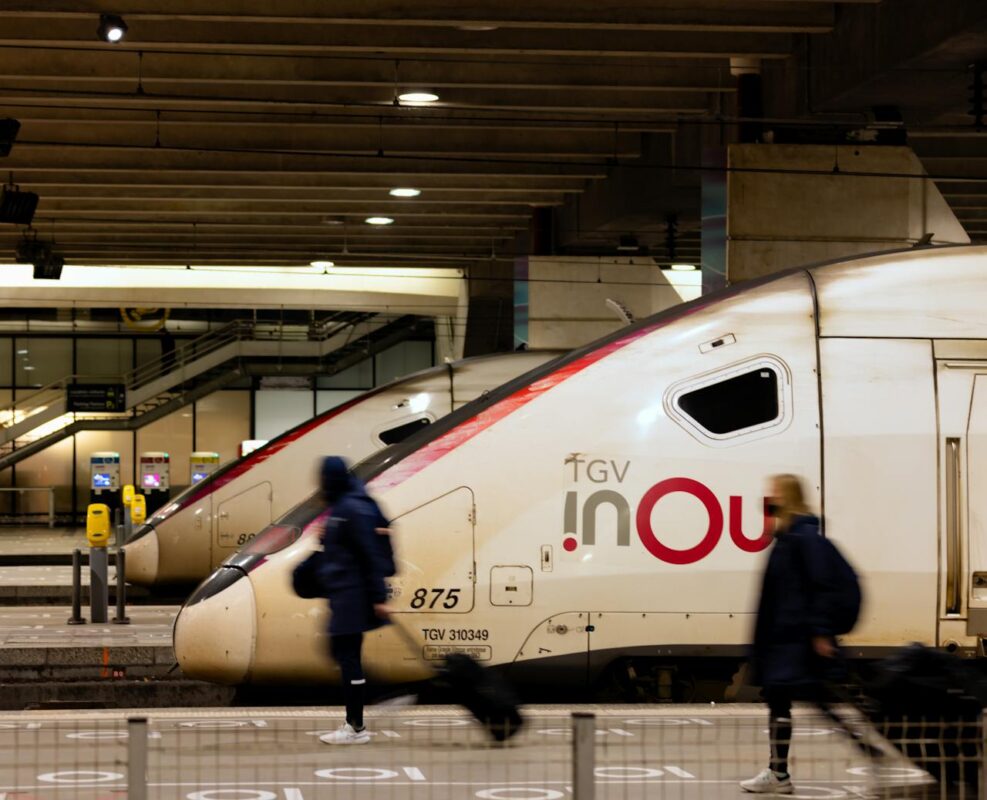
- Efficiency: High-speed trains allow you to travel long distances quickly and comfortably.
- Scenic Routes: Many train routes offer stunning views of the Italian countryside and coastline.
- Convenience: Train stations are often located in city centers, making it easy to reach your destination.
- Affordability: Train tickets can be quite affordable, especially if you book in advance or purchase discounted passes.
- Tips for Train Travel in Italy:
- Book Tickets in Advance: Especially for high-speed trains, booking in advance can save you money and ensure availability.
- Validate Your Ticket: Before boarding a train, validate your ticket at the yellow machines located on the platforms.
- Check Station Names: Some stations may have multiple names, so double-check to avoid confusion.
- Be Punctual: Trains in Italy generally depart and arrive on time, so plan your travel accordingly.
Broaden Your Cycling Passion
For American fans of cycling or outdoor sports, the Giro offers an entirely different experience from races in the U.S., like the Tour of California. The Giro’s legendary climbs, passionate fans, and historic significance will deepen your appreciation for the sport and inspire you to explore more global cycling events.
Will we be visiting the Giro d’Italia again, more than likely as we love Italy anyway so it just another reason to discover a different region and watch the race.
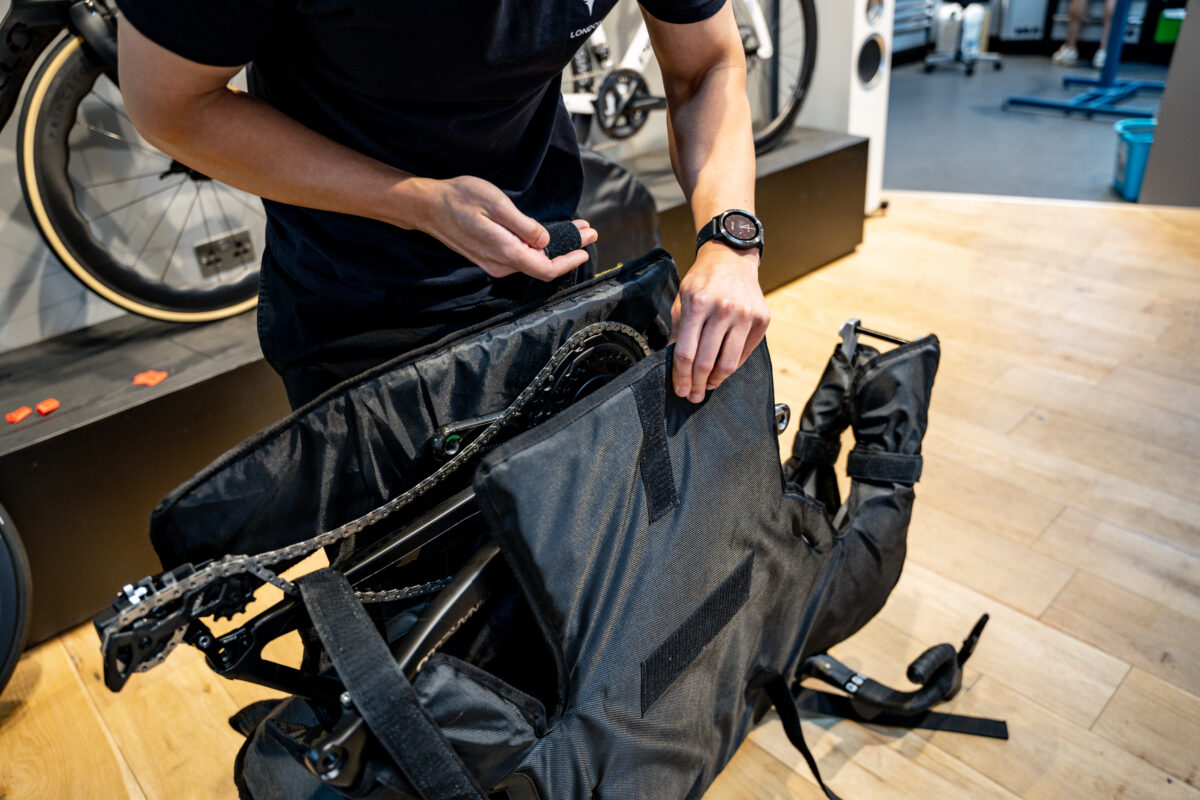
If you want to take you own cycle with you in the car and don’t want to take it in a full hard bike box we now produce the Ride and Wrap.
FAQ
Some of the most iconic riders to win the Giro including Eddy Merckx, Fausto Coppi, Gino Bartali, Alberto Contador, Vincenzo Nibali, and Chris Froome
The total prize money for 2024 Giro d’Italia that is distributed throughout the 21 stages was £1,355,735 (€1,606,160).