News
Tour of Flanders Spectators Guide


The Tour of Flanders, known as Ronde van Vlaanderen in Dutch, is a prestigious annual road cycling race held in Belgium every spring. It is one of the five Monuments of cycling and is organized by Flanders Classics. The race typically takes place in early April and covers a challenging route through the Flanders region, featuring numerous cobbled climbs. Sometimes know as the cobble classic.
Historical Overview
- First Edition: The inaugural race occurred on May 25, 1913, organized by Karel van Wijnendaele. It started in Ghent and finished in Mariakerke, covering 330 kilometers (approximately 210 miles) on rough roads.
- Significance: The Tour of Flanders has become a cultural icon in Belgium, celebrated for its challenging terrain and historic climbs, such as the Muur van Geraardsbergen and Oude Kwaremont. The race was interrupted only during World War I and has been held annually since 1919, marking the longest uninterrupted streak of any cycling classic
Who Is It For
The Tour of Flanders is more than a cycling race; it’s an exhilarating celebration of Flemish culture and tradition, drawing thousands of passionate fans to its cobbled roads each spring. Picture yourself surrounded by enthusiastic crowds, cheering on cyclists as they tackle iconic climbs like the Oude Kwaremont and Paterberg. Enjoy the local Belgian treats as you soak in the excitement. The energy is electric, with every steep ascent and cobbled section filled with drama as riders push themselves to the limit—it’s a spectacle you don’t want to miss.
Whether you’re an avid cycling fan or just looking for a unique adventure, the Tour of Flanders offers a thrilling journey filled with iconic climbs, passionate crowds, and authentic Flemish culture. Feel the pulse of Flanders as you explore charming towns, savour Belgian beer, and witness an event that showcases human determination at its rawest—like riders battling the relentless cobbled climbs with grit and sheer willpower. It’s not just a race—it’s a cultural phenomenon where tradition, excitement, and community come together to create lasting memories long after the last rider crosses the finish line.
Why Visit
Cycling in Belgium is more than just a sport—it’s a deeply ingrained part of the country’s culture and identity, much like football is in the United States. In Belgium, races like the Tour of Flanders are national events that unite communities, with fans lining the streets to cheer on their favorite riders, much like Americans tailgate and fill stadiums for NFL games.
Cyclists in Belgium are celebrated as national heroes, similar to how star athletes in the NBA or MLB are revered in the U.S. The passion for cycling extends beyond professional races; many Belgians embrace the sport recreationally, riding the same iconic cobblestone climbs tackled by the pros. For Belgians, cycling isn’t just a pastime—it’s a proud tradition representing grit, resilience, and a connection to their heritage.
The Course
Getting There
To get to the Tour of Flanders, which takes place primarily in Oudenaarde and features various routes starting from cities like Bruges and Antwerp, you have several transportation options:
By Air From USA
Flying: To Belgium
- New York, Flights can be from around six hundred dollars and take 10 hours plus with 1 stop. If you like a direct flight which reduces the flight time to 7 hours but the price increase to $1200.
- Chicago, 1 stop flights from $700 and travel time could be as long as 14 hours. Direct flights start from $1600 and flight time is around eight (8) hours.
- Los Angeles, the lowest fares you can get are around $900, with one stop. There are no direct flights and the average price is around $1200 and just under 14 hours travel time.
- Atlanta, starts from $800 with 10+ hour travel time.
- Dallas, prices start around $1,600 with 1 stop and total travel time is 11 hours +.
- Miami, air fares start around $700 and average flight time is 12 hours with one scheduled stop.
The Train
- Train Services: Belgium has an extensive train network. You can take a train to Oudenaarde from the airport, travel time is around 2 hours plus.
- Usually the train service will be extended. In cooperation with the organizers, NMBS is providing three extra trains to bring you smoothly to the Ronde Van Vlaanderen:
- Extra departures at 9.16am and 11.27am from Gent-Sint-Pieters to Oudenaarde and to Ronse
- Extra departures from Ronse to Gent-Sint-Pieters at 7.01pm (at 7.15pm in Oudenaarde)
- Flying: The nearest major airport is Brussels Airport (BRU), located about an hour away by car. You can also consider flying to Brussels South Charleroi Airport (CRL), further away, but may offer cheaper flights. From either airport, you can take a train or rent a car.
Event Details
Official Website
Month
April
Number Of Days
1 Day Men & 1 Day Women
Country
Belgium
Entry Costs
Pro Riders/Teams Only
Currency
Euro: 1 = $0.96 (Check)
Visa Requirements
No
Hotel Cost
Range: $$ – $$$$
Food Cost
$$ – $$$$
Weather
- Average Temp : 8C (48F) to 13C (55F)
- Hours of Sunlight: 6 hours
- Average Rain: 60mm
Flights
- Daily
- Cost: $$ – $$$$
Travel Advice
Useful Info
More Cycling Events
The Day Of The Race
We do not recommend actually traveling to the even by car because the Market Square is only accessible to pedestrians and cyclists on Saturday and Sunday. If you do come by car, you can park in the public car park Bruwaan Oudenaarde. Other car parks are not accessible.
The roads are also subject to parking bans, some are reduced to one way traffic and some are just closed.
By bicycle or on foot
Are you staying nearby? Then the course is within cycling and walking distance. Then be sure to come on foot to the public village in the arrival zone in Oudenaarde. The arrival of the Tour of Flanders is in theMinderbroedersstraat near the Donkvijver (Donk Lake).
In the centre of Oudenaarde, there are extra free bicycle parking facilities and there is a bicycle park is provided on Droesbekeplein. There are also Blue-bikes at the station that you can rent for 2.50 euros.
Viewing the Race
With around 750,000 visitors each year it is going to be busy, so you need to pick your viewing spot and be early. The actual course of the event is not revealed until nearer the race date. However, the course usually passes near the market square several times so thats a good option. Staying near the market square gives you plenty of options to indulge in the delights of food and drink.
There are lots of viewing screens in public places that have a live feed and commentary.

The Difference of Flemish Compared To American Food
Flemish food offers a rich, hearty, and comforting culinary experience, rooted in tradition and influenced by local ingredients. Compared to American cuisine, which varies widely but often emphasizes convenience and bold flavors, Flemish dishes tend to focus on slow-cooked, rustic meals that highlight quality over speed.
Looking to train where the professional cycling teams train? Read our guide why American Cyclist Should Look at Calpe Spain.
Key Comparisons:
- Hearty Meals: Flemish stews, like stoverij (beef stewed in Belgian beer), are similar in comfort and richness to American pot roasts or Southern-style slow-cooked meals. However, using beer as a base in Flemish cuisine adds a unique depth of flavor.
- Fries with Tradition: While Americans love their French fries with ketchup, Flemish fries (frieten) are thicker, double-fried for extra crispiness, and served with various sauces, particularly mayonnaise. They’re a national treasure often paired with mussels (moules-frites).
- Bread and Pastries: Flemish bread and baked goods are heartier and less sweet than typical American sandwich bread or desserts. Think rustic loaves and decadent waffles, less like the fluffy American diner variety and more dense and caramelized.
- Beer Culture: In the U.S., craft beer has surged in popularity, but in Flanders, beer isn’t just a drink—it’s a culinary ingredient and cultural symbol. Pairing meals with specific beers is an art, and Belgian brews often accompany Flemish meals in the same way wine might in American fine dining.
- Sweets and Desserts: While Americans enjoy cookies, pies, and ice cream, Flemish desserts like speculoos (spiced cookies), pralines (chocolates), and vlaai (fruit tart) offer a subtler sweetness that leans on spices and cream rather than sugar overload.
- Seafood Specialties: In coastal regions of Belgium, dishes like shrimp croquettes (garnaalkroketten) or mussels are a staple, similar to seafood chowders or fried shrimp in the U.S., but often served with lighter, more refined seasoning.
Overall Vibe:
Flemish cuisine emphasizes savoring meals with high-quality ingredients and traditional techniques, whereas American food culture often celebrates variety, speed, and bold, diverse flavors. Both cuisines offer comfort and nostalgia, but Flemish food tends to focus more on craftsmanship and regional pride.
Visit a Public Village
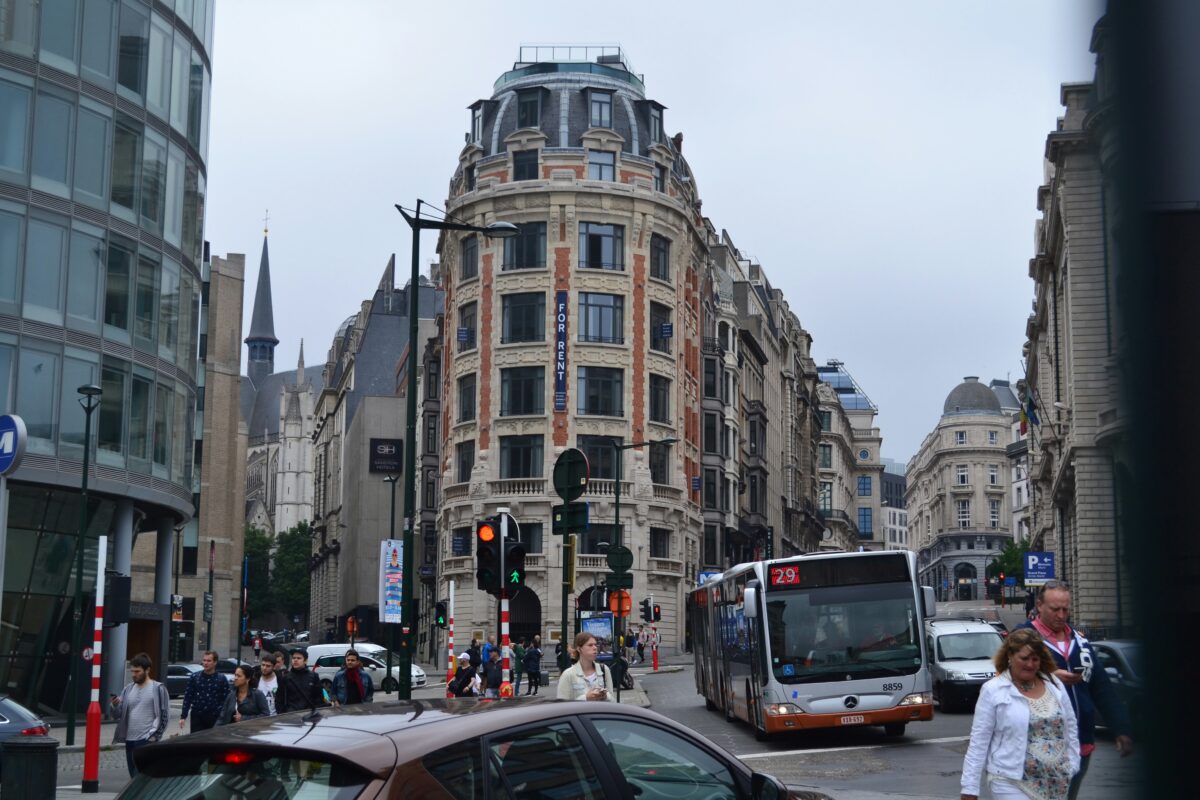
Imagine being surrounded by cheering crowds, the smell of fresh Belgian waffles in the air, and the thrill of cyclists racing just feet away. Want to soak in the unique atmosphere of the Tour of Flanders without setting up camp yourself? Head to one of the public viewing areas along the famous climbs of Koppenberg, Paterberg, Kruisberg, and Oude Kwaremont.
These fields are open to the public during the race and offer a prime location to experience the action up close, with the sound of cheering crowds and the sight of cyclists speeding by just feet away. You’ll find amenities like restrooms and food and drink stands to keep you comfortable. After the race, these public spots turn into hubs of excitement, perfect for experiencing the joyful and electric energy of the fans.
Discover a Hidden Gem
If you prefer straying off the beaten path, there are some exclusive hidden spots where you can enjoy a quieter, more intimate perspective of the race. In the center of the picturesque village of Mater, you can find the cobblestones of Kerkgate, an ideal place to grab a seat at a nearby terrace and watch the riders speed by. Other excellent spots for a stunning view include Haaghoek and Mariaborrestraat.
For Tom Boonen fans, Taaienberg is legendary, known for the spot where “Tornado Tom” would test both his and his competitors’ strength—like in 2006 when he attacked on Taaienberg, pushing the pace and leaving many struggling in his wake. Another nearby lesser-known but rewarding climb is Steenbeekdries.
Visit a Real Flemish Pub
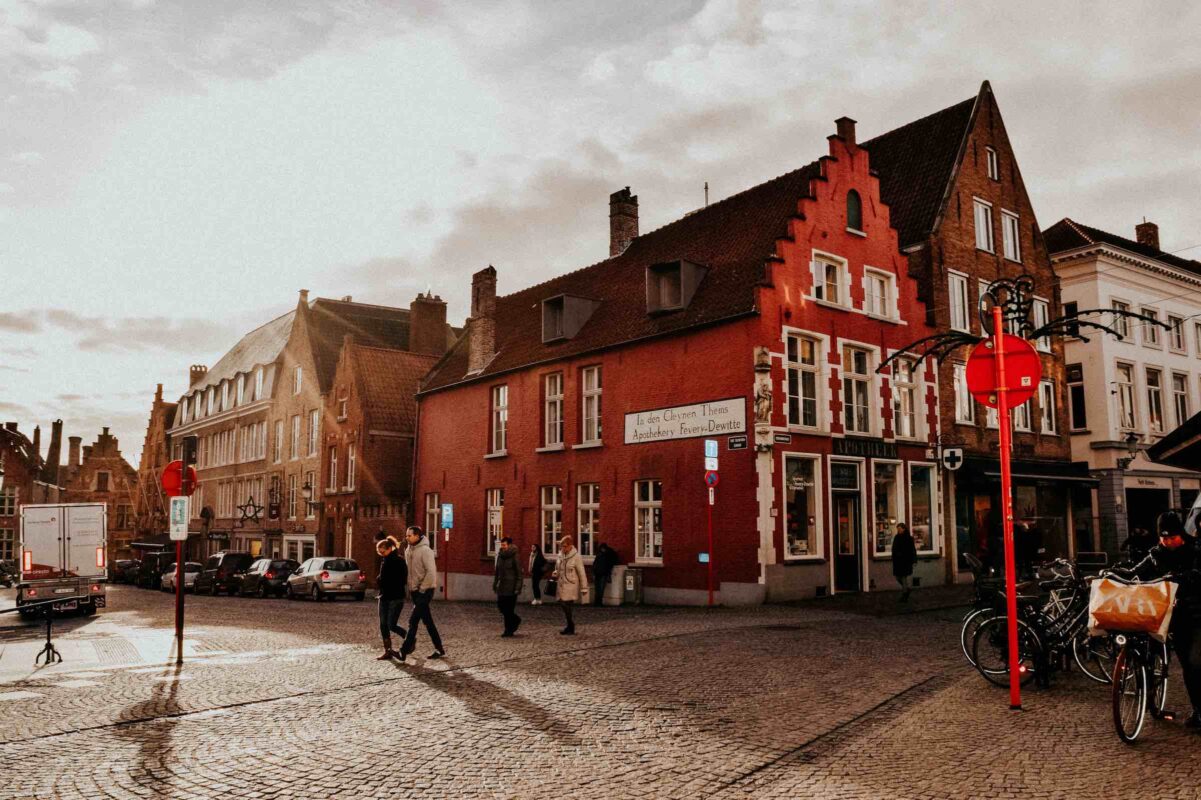
In the Flemish Ardennes, cycling and pub culture are inseparable. Imagine the rich aroma of local beers, the lively chatter of fellow cycling fans, and the clinking of glasses as stories of past races are shared—these pubs are the perfect setting to immerse yourself in the local cycling spirit. There’s no better place to chat about the latest Tour of Flanders or upcoming races than in a local pub. Why not visit one of the many cycling pubs in the scenic hills of Flanders, either before or after the Tour weekend? Not sure where to start? Order the free “Plan Bier” map, which highlights 72 of the best cycling-themed pubs in the Flemish Ardennes.
Learn More abut Flanders
Think you know everything about the Tour of Flanders? You might be surprised. Visit the Tour of Flanders Experience Centre in Oudenaarde to dive deeper into the history of Flanders’ favorite cycling race. Here, you can explore vintage cycling memorabilia, watch videos, follow Peter Van Petegem up Oude Kwaremont, and even ride a specially designed bike to get a taste of cobblestones. Test your Ronde knowledge in a quiz, and get on the podium yourself, surrounded by cycling legends.
Position Yourself Near a Tour Monument
Flanders is filled with cycling monuments that celebrate its rich heritage. One such monument, dedicated to Karel Van Wijnendaele, the spiritual father of the race, stands in the village of Kwaremont, honoring his vision of showcasing the strength and resilience of Flemish cyclists. It serves as a testament to the origins of the Tour of Flanders and the deep connection between the people and the sport.
Other notable monuments can be found in Brakel, at the top of Paddestraat, next to the church in Meerbeke (Ninove), and don’t miss the cycling poem by Willy Verhegghe on the Wall of Geraardsbergen. These spots are steeped in cycling history and will give your experience a unique and memorable touch.

Best Places to Stay
- Oudenaarde:
- This is the ideal location as it’s the finish point of the race and the heart of the action.
- You can easily access the race route and festivities from here.
- Kortrijk:
- A good alternative, about 30 minutes by train from Oudenaarde.
- Many tour packages offer accommodation here with transport to the event.
- Bruges:
- If you want to see the race start, staying in Bruges is a good option.
- It’s about 30 minutes by train to Oudenaarde.
- Ghent:
- Another popular option, with good transport links to Oudenaarde.
Top Tips
- Book your accommodation EARLY
- The weather can be unpredictable but it is usually cold so dress appropriately. You can always take layers off if the sun does come out.
- We don’t recommend attempting to watch the start or the finish of the races because of the massive crowds.
- Take cash as well as your cards (phone) not everywhere takes cards and you wouldn’t want to miss a flemish delight.
- Don’t plan to see too many sections of the race, with so many people getting around is hectic. Experience the race from limited locations and soak up the atmosphere.
- Take your cycle, arrive before the event or stay after and experience the roads yourself.
- If you do take your bike ensure that you stay at a cycle friendly hotels, not difficult because cycling is often considered Belgium’s national sport, with a rich history and widespread popularity. If you book your accommodation with AirBnB check with the host that you can bring your bike inside. (or they may have outside secure storage)
- Be prepared to be overwhelmed, Flanders has so much to see and do that you will need to keep going back again and again.
Summary
Because it is so close and easy to get to it feels just like a long weekend break. This is one race that we will always keep going back to because of the close knit atmosphere of the place and the flemish people of Flanders.
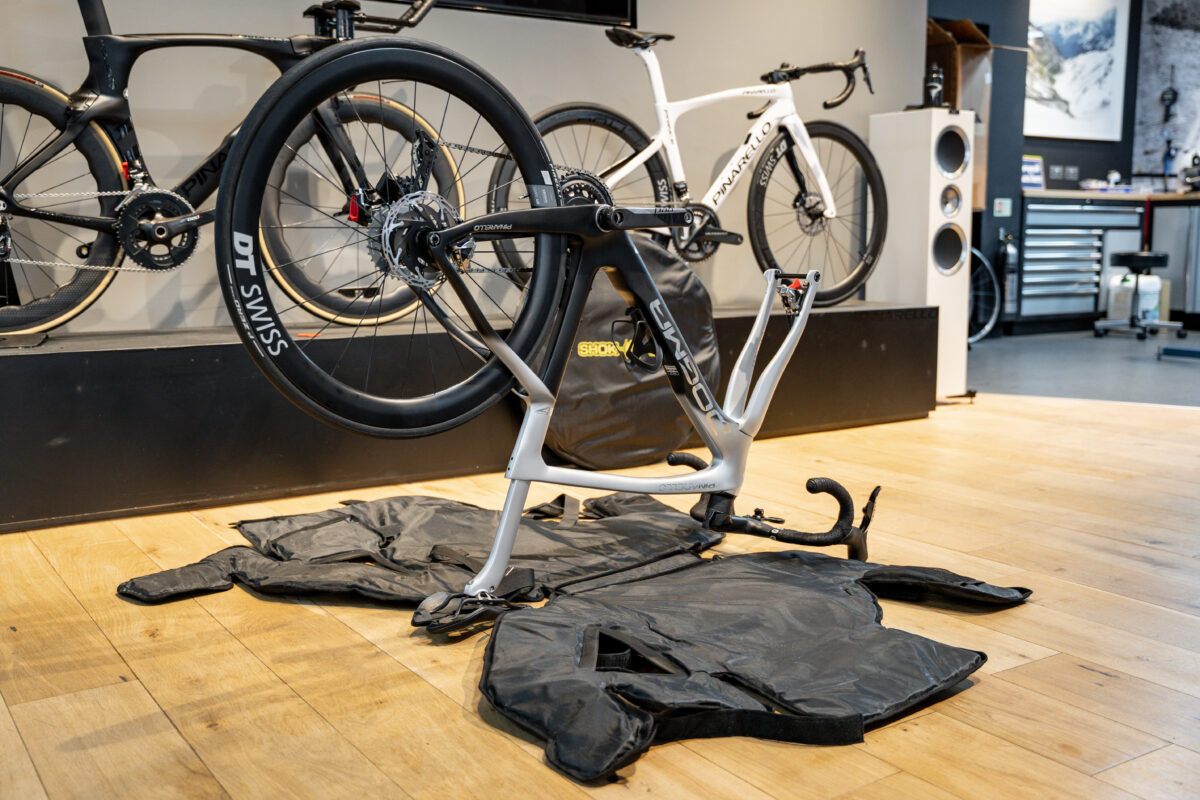
Of course if you are taking your cycle make sure it is a Shokbox bike box. Want to give your cycle more protection then try our ride wrap for greater peace of mind.