
News
What to Do If Your Bike Box Goes Missing When Flying

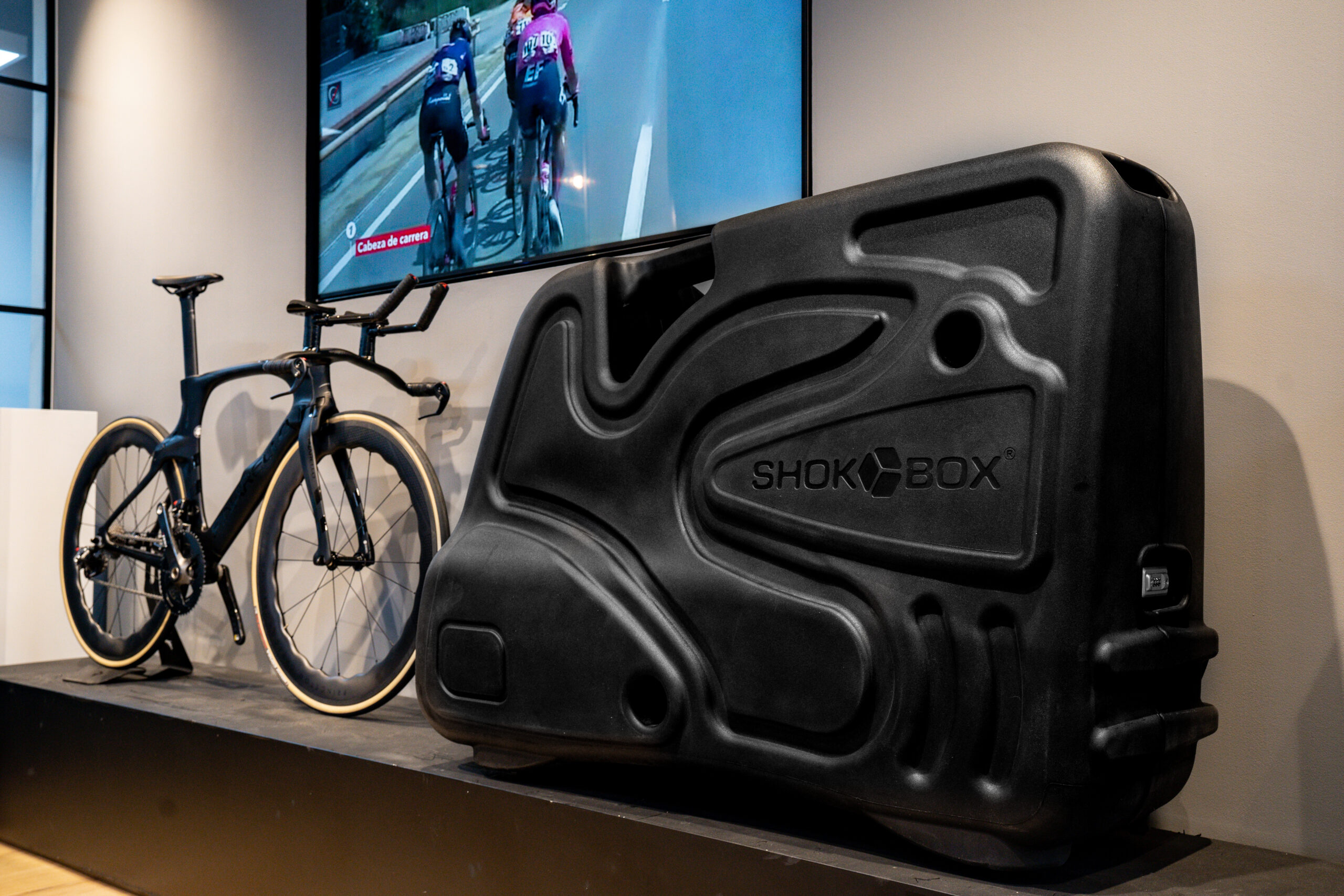
Traveling with your bike is often the centerpiece of a cycling trip. You plan your routes, book your training camp or event, and pack your bike carefully. Then you land, head to the oversized baggage claim, and watch every suitcase arrive except the one case that matters most.
Few moments are more stressful for a cyclist than standing at the carousel while your bike does not appear.
The good news is that most missing bike boxes are delayed, not permanently lost. Knowing exactly what to do, and what your rights are, makes a significant difference in how smoothly the situation is resolved.
What To Do Immediately
If your bike box does not arrive, report it before leaving the airport.
Go directly to the airline’s baggage service office and file a Property Irregularity Report. Even if airline staff suggest it may arrive later, you should still obtain a formal report number before exiting the arrivals area.
Bike boxes are usually handled as oversized baggage. They may be routed through separate systems, loaded manually, or placed on later flights if connections are tight. In many cases, the box has simply missed a transfer and will be delivered within 24 to 48 hours.
Before leaving the airport, make sure you:
• Obtain a written claim reference number
• Confirm your delivery address and contact details
• Take a photo of any paperwork issued
Documentation matters.
Why Bike Boxes Are Handled Differently
Unlike standard suitcases, bike boxes often move through manual handling channels due to their size and shape.
On US domestic flights, some airlines treat properly packed bike cases as standard checked luggage. Others classify them as oversized items. Even when checked normally, they may still be routed separately or loaded last due to aircraft space constraints.
This separate handling increases the chance of delays during tight connections.
That does not mean they are lost, but it does explain why they occasionally arrive on a later flight.
US Compensation Rules Explained
Compensation depends on whether your flight was domestic or international.
For U.S. domestic flights, airline liability is capped under Department of Transportation regulations, currently at approximately $3,800 per passenger, subject to change.
For international flights, the Montreal Convention applies. Compensation limits are calculated in Special Drawing Rights and often convert to an amount that still falls short of the replacement value of a high-end carbon bike.
Even at maximum limits, airline liability may not reflect the full value of:
• Electronic drivetrains
• Carbon wheelsets
• Custom components
• Power meters
This is why insurance matters.
Using Trackers to Locate a Delayed Bike Box
Many cyclists now place a tracking device inside their bike case before flying.
Devices such as Apple AirTag or compatible Android trackers do not prevent delays, but they can provide clarity. If your bike box does not arrive, you may be able to see whether it remains at the departure airport, is in transit, or has already reached your destination.
This information can be helpful when speaking with airline staff, especially for oversized items that may travel separately.
Trackers are not a replacement for reporting a missing bag. They are a supplement to proper documentation and insurance.
How To Reduce the Risk Before You Fly
No method eliminates baggage delays entirely, but several practical steps improve your odds.
Use a clearly identifiable bike case. A distinctive case reduces the chance of mistaken pickup and helps airline staff identify it quickly.
Place contact details both inside and outside the case, including:
• Full name
• Cell phone number
• Email address
• Destination address
Some riders also include a printed itinerary inside the case.
Take photographs of:
• Your packed bike
• The condition of the frame
• The fully closed case
If you need to file a claim, documentation strengthens your position.
Insurance Is Not Optional for International Bike Travel
Airline compensation should not be your primary protection strategy.
A suitable insurance policy should cover:
• Loss during transit
• Damage during baggage handling
• Delays affecting oversized baggage
• Full replacement value of the bike and components
While policies include deductibles, they provide significantly more realistic coverage than relying solely on airline liability caps.
Final Perspective
Most delayed bike boxes are delivered within a day or two. Permanent loss is rare.
The key factors are preparation, documentation, and proper packing.
When you travel with your own bike, especially internationally, protection begins long before you reach the airport. A purpose-built travel case significantly reduces the risk of damage during handling and makes inspection easier if the case is opened during transit.
Unexpected situations can happen in air travel. With preparation and the right equipment, they remain manageable rather than catastrophic.
For serious cyclists, that peace of mind is part of the journey.