

Before Flying: Preparation Steps
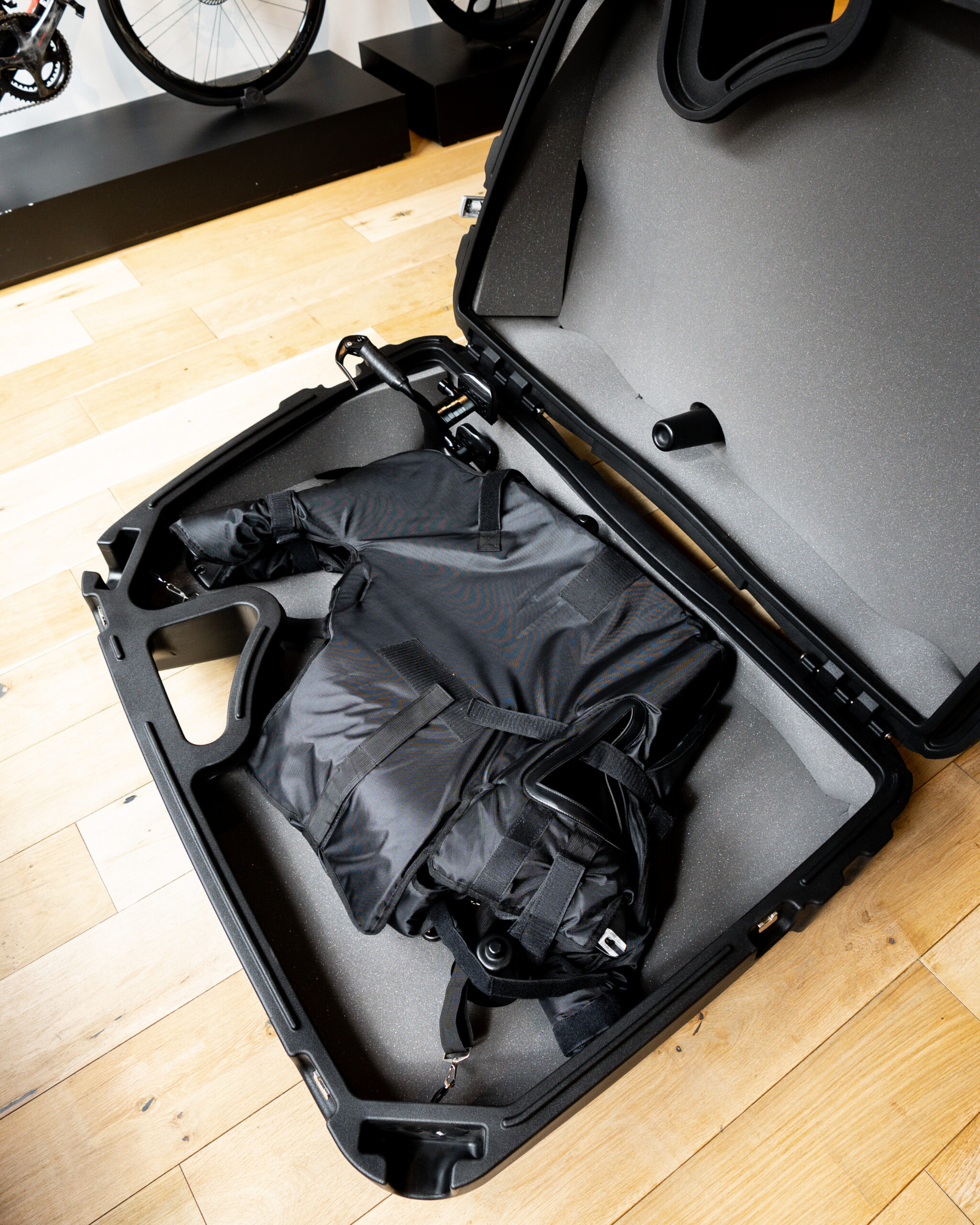
- Take pre-flight photos: Before packing and again after packing, capture clear, detailed photographs of your bicycle and its case.
- Document original purchase: Keep the original purchase receipt or documentation of your bicycle, as this can be crucial evidence in establishing its value for insurance claims.
- Documentation: Save these photos and receipts to demonstrate your bicycle and case’s pre-flight condition and value. This aids significantly in insurance claims if damage occurs.
Step 1: Immediate Inspection
- Inspect immediately upon arrival: As soon as your bicycle case arrives on the baggage carousel, carefully inspect it for visible damage.
- Photograph everything: Take clear photos from multiple angles showing all damage.
Step 2: Report to Airline
- Check for QR codes: Some airlines, such as American Airlines, provide a QR code for baggage claims. Scan this or visit their website to report damage online.
- Online report: Enter your last name, airline confirmation code, or bag tag number to file a damage report.
- File promptly: Submit the report immediately to ensure prompt handling.
- Alternatively, visit airline staff: If a QR code is unavailable or you prefer personal assistance, visit the airline’s baggage service office to file a Property Irregularity Report (PIR) directly.
- Obtain documentation: Always get written or digital confirmation of your filed report. Consider taking screenshots if filing claims online as additional proof.
Step 3: Document Thoroughly
- Keep all paperwork: Retain boarding passes, baggage receipts, PIR documents, and other related paperwork.
- Detailed damage assessment: Conduct a thorough check of your bicycle itself, noting any secondary damage caused by damage to the case.
Step 4: Notify Your Insurance Provider
- Contact your insurer ASAP: Immediately inform your travel or bicycle insurance provider.
- Provide all documentation: Submit photos, receipts, report copy, and required paperwork.
- Understand your coverage: Clarify your insurance policy terms regarding damage during transit, including any cover for bicycle rental costs or additional expenses incurred.
Step 5: Seek Professional Assessment
- Visit a bike shop: Get a professional mechanic to assess and document the damage to your bicycle.
- Request written estimates: Obtain a detailed repair estimate or a statement declaring your bike beyond repair (if applicable).
Step 6: File Claims
- Airline Claim: Submit a formal damage claim to the airline within their stated timeframe, usually within 7 to 14 days.
- Insurance Claim: Concurrently file your insurance claim with comprehensive supporting evidence.
Step 7: Repair or Replacement
- Wait for approval: Wait for the airline and insurer’s responses before proceeding.
- Proceed with repairs/replacement: Once approved, arrange repairs or replacement as instructed by the insurer.
- Bike hire: If your bicycle is unusable and you need to rent one, check your insurance policy. Many policies will reimburse rental costs incurred due to the damage.
- Delayed repairs: Consider postponing repairs until returning home if your insurer advises or local repairs are impractical.
Step 8: Follow-Up
- Track your claims: Regularly follow up with the airline and insurer until resolved.
- Keep records: Maintain thorough documentation of all communications and decisions.
Additional Tips:
- Always travel with insurance specifically covering bicycles.
- Use a durable, hard-sided case, if possible, to reduce risk.
- Clearly label your case as fragile, including your contact information.
- Claim additional costs: Your policy may also cover costs associated with assessing the damage, including travel and time expenses. Always verify with your insurer.
- Damaged bicycle case: If your case is severely damaged and poses a risk for return shipment, contact your insurer immediately. They may cover replacement or temporary case rental to prevent further damage.
Following this comprehensive guide will ensure you manage the situation effectively and maximize your chances of compensation.